AI Integration Strategies: Seamlessly Embed AI in Your Business
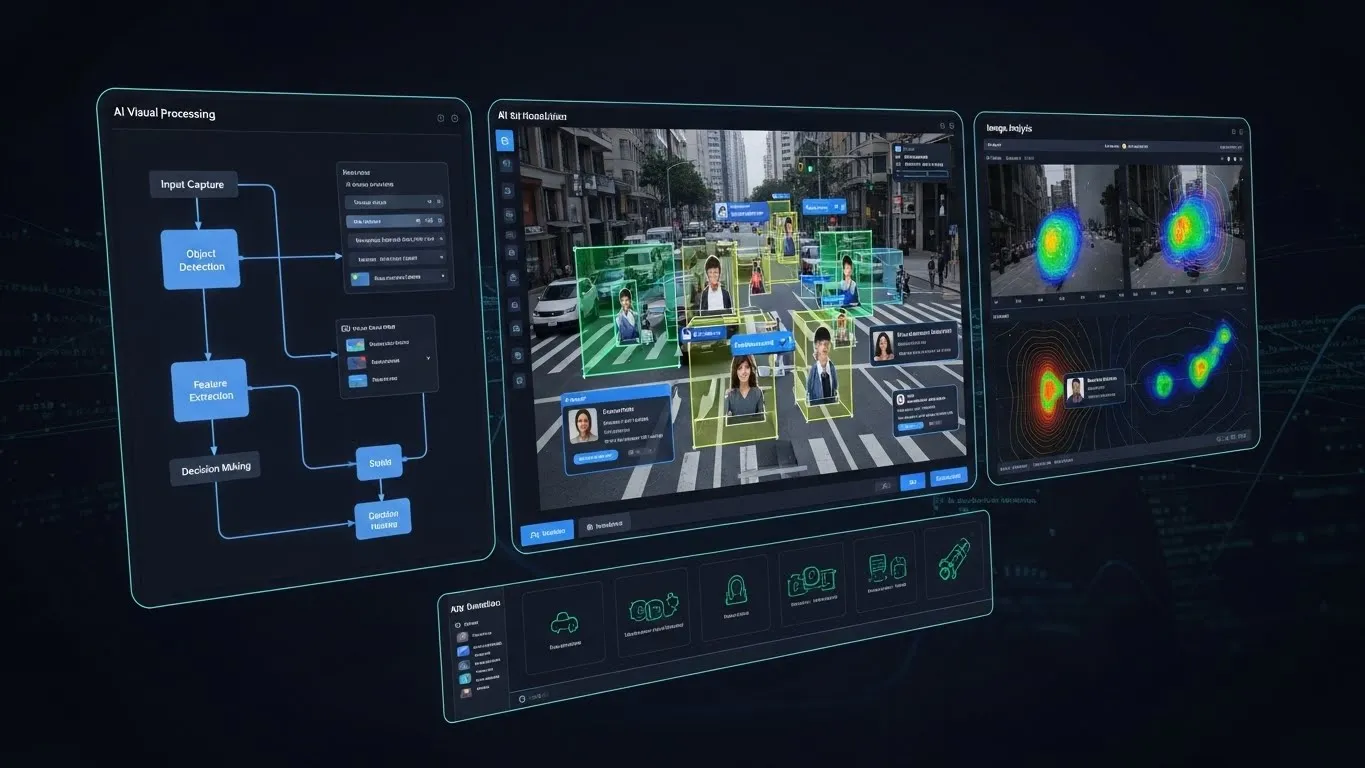
AI Integration Strategies: Seamlessly Embed AI in Your Business
In today's rapidly evolving digital landscape, businesses are constantly seeking innovative ways to gain a competitive edge. One of the most transformative avenues is the strategic adoption of Artificial Intelligence (AI). Implementing effective AI integration strategies is no longer a luxury but a necessity for sustained growth and operational excellence. This article delves into how companies can seamlessly embed AI in their business processes, moving beyond mere experimentation to achieve tangible, impactful results. From enhancing customer experiences to optimizing internal workflows, a well-planned AI adoption can unlock unprecedented levels of productivity and innovation.
Key Points for Seamless AI Integration:
- Strategic Planning: Define clear objectives and an AI roadmap aligned with business goals.
- Data Readiness: Ensure data quality, accessibility, and governance are in place.
- Pilot Programs: Start small, test, learn, and iterate before scaling AI solutions.
- Workforce Upskilling: Prepare employees for new roles and collaboration with AI tools.
- Ethical Frameworks: Establish guidelines for responsible and transparent AI deployment.
Understanding AI Integration Strategies for Business Growth
The journey to embedding AI successfully begins with a clear understanding of its potential and a robust strategy. Businesses must look beyond the hype and identify specific pain points or opportunities where AI can deliver real value. This involves a comprehensive assessment of current operations and future aspirations. Effective AI integration strategies are about more than just technology; they encompass people, processes, and culture.
Why Seamless AI Integration Matters
Seamless integration ensures that AI tools and systems don't operate in silos but rather enhance existing workflows and decision-making processes. When AI is seamlessly embedded in your business, it becomes an invisible yet powerful assistant, augmenting human capabilities rather than replacing them. This approach minimizes disruption, maximizes adoption rates, and accelerates the return on investment. A fragmented AI approach often leads to inefficiencies and resistance from employees, hindering the true potential of the technology.
Identifying Key Areas for AI Adoption
Before diving into implementation, pinpointing the most impactful areas for AI is crucial. This could range from automating repetitive tasks to gaining deeper insights from vast datasets. For instance, many organizations are exploring generative AI solutions to revolutionize content creation, marketing personalization, and even software development. Other common areas include:
- Customer Service: AI-powered chatbots and virtual assistants for instant support.
- Data Analytics: Predictive analytics for sales forecasting, risk management, and market trends.
- Operations: AI for supply chain optimization, inventory management, and quality control.
- Human Resources: AI for talent acquisition, employee engagement, and performance analysis.
Developing a Robust AI Implementation Roadmap
A successful AI journey requires a structured roadmap that guides the entire process, from initial exploration to full-scale deployment. This roadmap should be flexible enough to adapt to new technologies and insights, yet firm enough to provide clear direction.
Data Readiness and Infrastructure Assessment
AI models are only as good as the data they are trained on. Therefore, a critical first step in any AI integration strategy is ensuring data readiness. This involves:
- Data Quality: Cleaning, standardizing, and enriching existing data.
- Data Accessibility: Breaking down data silos and establishing centralized data repositories.
- Data Governance: Implementing policies for data security, privacy, and compliance.
Simultaneously, an infrastructure assessment is vital. Does your current IT environment support the computational demands of AI? This might involve investing in cloud computing resources, specialized hardware, or robust data pipelines. According to a 2024 report by Deloitte on AI readiness, organizations that prioritize data governance and scalable infrastructure see a 30% faster time-to-value from their AI initiatives.
Pilot Programs and Scalable Solutions
Starting with pilot programs allows businesses to test AI solutions on a smaller scale, gather feedback, and refine their approach before a wider rollout. This iterative process is key to seamlessly embedding AI in your business. For example, a marketing department might pilot a generative AI tool for drafting social media posts before deploying it across all content creation efforts. Lessons learned from these pilots inform the development of scalable solutions that can be integrated across various departments without significant hurdles.
Overcoming Challenges in AI Integration
Integrating AI is not without its challenges. Common hurdles include data quality issues, lack of skilled personnel, resistance to change, and concerns about ethical implications. Addressing these requires a multi-faceted approach:
- Investing in Training: Upskilling existing employees and hiring AI specialists.
- Change Management: Communicating the benefits of AI and involving employees in the process.
- Phased Rollouts: Gradually introducing AI to allow for adaptation and feedback.
- Clear Governance: Establishing internal policies for AI use and monitoring.
Leveraging Generative AI Solutions for Enhanced Operations
The advent of generative AI has opened new frontiers for businesses, offering unprecedented capabilities in content creation, design, and personalized communication. These advanced AI integration strategies can significantly boost operational efficiency and creativity.
AI in Content Creation and Marketing
Generative AI tools can automate and enhance various aspects of content creation, from drafting blog posts and ad copy to generating images and video scripts. This allows marketing teams to produce high-quality, personalized content at scale, freeing up human creativity for strategic thinking and oversight. For instance, a 2025 study by Gartner predicted that by 2027, 30% of outbound marketing messages from large enterprises will be synthetically generated by AI. This highlights the growing trend of using AI to personalize customer interactions and streamline content workflows.
Streamlining Customer Service with AI
Beyond traditional chatbots, generative AI can power more sophisticated customer service interactions. AI can analyze customer queries, synthesize information from various sources, and provide highly accurate and personalized responses, improving resolution times and customer satisfaction. This enables businesses to offer 24/7 support and handle a larger volume of inquiries efficiently. Readers interested in the specifics of generative AI in customer experience can find more detailed discussions in our dedicated section.
Ethical Considerations and Workforce Transformation
As businesses embrace AI, it's paramount to consider the ethical implications and the impact on the workforce. Responsible AI deployment is a cornerstone of sustainable AI integration strategies.
Ensuring Responsible AI Deployment
Ethical AI involves fairness, transparency, accountability, and privacy. Businesses must establish clear guidelines and frameworks to ensure their AI systems are unbiased, secure, and used for beneficial purposes. This includes regular audits of AI models for bias, protecting sensitive data, and ensuring human oversight in critical decision-making processes. For a deeper dive into data governance and AI readiness, explore related articles on our platform.
Upskilling Your Team for an AI-Powered Future
The fear of job displacement is a common concern with AI adoption. However, the reality is often about job transformation. Seamlessly embedding AI in your business means empowering your workforce with new skills to collaborate with AI. This involves training programs focused on AI literacy, data analysis, prompt engineering for generative AI, and critical thinking to interpret AI outputs. Investing in your employees' growth ensures they remain valuable assets in an AI-driven economy.
Measuring Success and Future-Proofing Your AI Strategy
To ensure the long-term success of your AI integration strategies, continuous monitoring and evaluation are essential. Define key performance indicators (KPIs) from the outset to measure the impact of AI on business objectives. This could include metrics like cost reduction, revenue increase, customer satisfaction scores, or efficiency gains.
Regularly review your AI roadmap and be prepared to adapt to new technological advancements and market changes. The field of AI is dynamic, and what works today might be outdated tomorrow. Building a culture of continuous learning and experimentation will future-proof your AI strategy and ensure your business remains at the forefront of innovation.
FAQ Section
Q1: What are the first steps for a small business looking into AI integration?
A1: Small businesses should start by identifying a single, high-impact problem that AI can solve, such as automating customer support inquiries or streamlining inventory management. Focus on readily available, cloud-based AI tools that require minimal upfront investment. Prioritize data organization and consider a pilot project to test the AI's effectiveness before scaling.
Q2: How can we measure the ROI of AI integration strategies?
A2: Measuring AI ROI involves tracking both direct and indirect benefits. Direct metrics include cost savings from automation, increased revenue from personalized marketing, or improved efficiency. Indirect benefits might be enhanced customer satisfaction, faster decision-making, or improved employee productivity. Establish clear KPIs before implementation and monitor them consistently.
Q3: What are the biggest challenges in embedding AI seamlessly?
A3: The primary challenges include poor data quality, resistance to change from employees, a lack of skilled AI talent, and integrating AI with legacy systems. Overcoming these requires a strong change management strategy, investment in data governance, workforce training, and a phased approach to implementation.
Q4: Is generative AI suitable for all business functions?
A4: While generative AI offers broad applications, its suitability varies by function. It excels in tasks requiring content creation, summarization, or idea generation (e.g., marketing, customer service, R&D). However, for highly critical, precise, or regulated functions,