AI Integration Strategies: Seamlessly Embed AI into Your Business
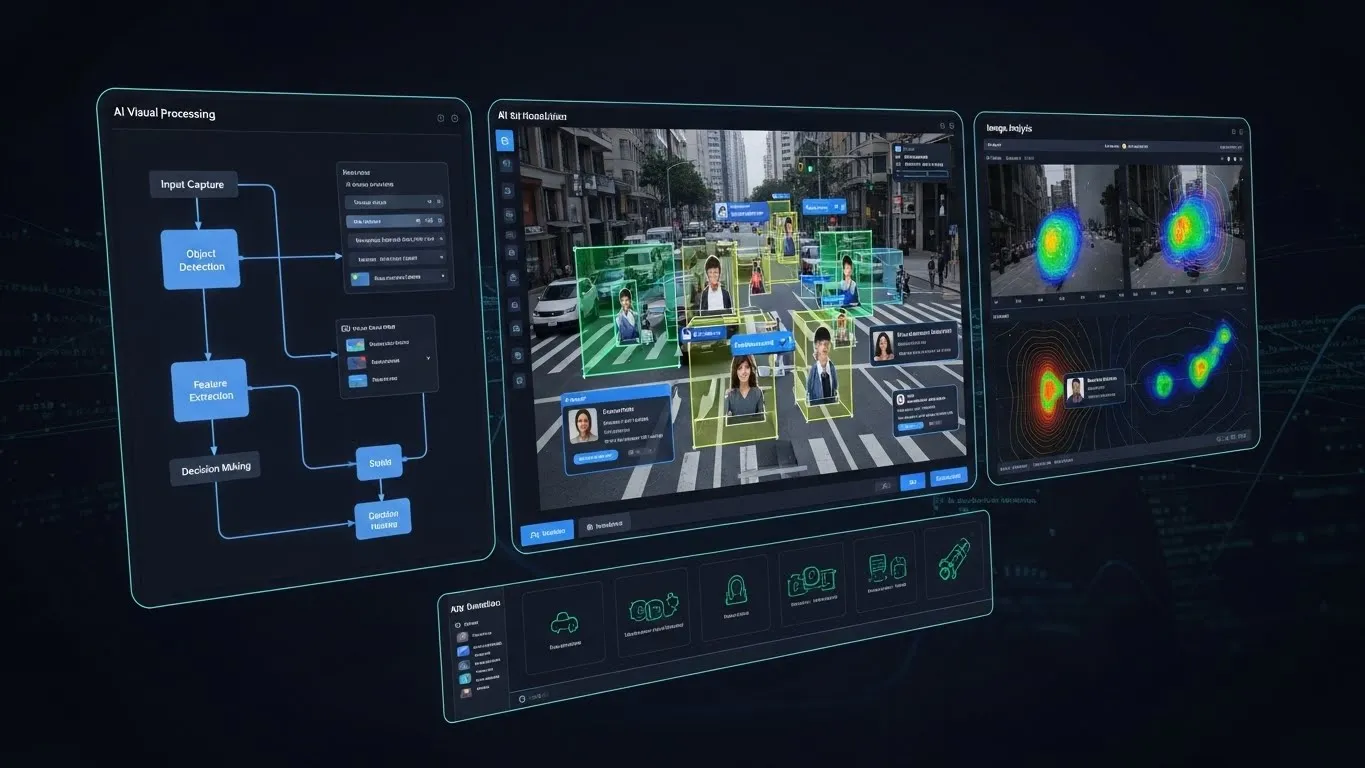
AI Integration Strategies: Seamlessly Embed AI into Your Business
In today's rapidly evolving digital landscape, artificial intelligence (AI) is no longer a futuristic concept but a present-day imperative for business success. Effective AI integration strategies are crucial for organizations aiming to unlock new efficiencies, drive innovation, and maintain a competitive edge. This guide explores how businesses can seamlessly embed AI into their existing operations, transforming challenges into opportunities. From strategic planning to ethical considerations, we'll cover the essential steps to make AI a core component of your operational framework. Embracing AI is about more than just technology; it's about reimagining processes and empowering your workforce.
Key Points for Successful AI Integration:
- Strategic Alignment: Ensure AI initiatives support core business objectives.
- Data Foundation: Prioritize data quality and accessibility for AI models.
- Phased Implementation: Start small with pilot projects, then scale.
- Talent Development: Invest in upskilling employees for AI collaboration.
- Ethical Governance: Establish clear guidelines for responsible AI use.
Understanding the Value of AI Integration for Business Growth
The strategic adoption of AI offers unparalleled opportunities for businesses to optimize operations and foster innovation. By leveraging AI integration strategies, companies can automate repetitive tasks, gain deeper insights from vast datasets, and personalize customer experiences at scale. This leads to not just cost savings but also significant revenue growth and enhanced decision-making capabilities. The competitive landscape demands agility, and AI provides the tools to respond swiftly to market changes and consumer demands.
Consider the transformative power of AI in various sectors. In customer service, AI-powered chatbots handle routine queries, freeing human agents for complex issues. In manufacturing, predictive maintenance algorithms reduce downtime and extend equipment lifespan. These examples highlight how AI is not merely a tool but a strategic asset that redefines operational excellence. For more insights into specific applications, readers can explore related articles on generative AI in content creation.
Developing a Robust AI Integration Roadmap
Successfully embedding AI into your business requires a well-defined roadmap. This journey begins with a comprehensive assessment of your current infrastructure, identifying areas where AI can deliver the most significant impact. A robust AI integration roadmap outlines clear objectives, allocates resources, and establishes measurable key performance indicators (KPIs). It's about building a sustainable framework for AI adoption, not just implementing isolated solutions.
Here are the critical phases for developing your AI roadmap:
- Phase 1: Discovery and Assessment: Identify business pain points and opportunities where AI can provide value. This involves stakeholder interviews and a thorough review of existing data infrastructure.
- Phase 2: Strategy and Planning: Define specific AI use cases, select appropriate technologies, and outline a pilot project. Crucially, integrate ethical AI considerations from the outset, ensuring fairness and transparency.
- Phase 3: Pilot and Proof of Concept: Implement a small-scale AI project to test its viability and gather initial feedback. This allows for learning and iteration before a broader rollout.
- Phase 4: Scaling and Integration: Expand successful pilot projects across relevant departments, ensuring seamless integration with existing systems. Focus on change management to address employee concerns and foster adoption.
- Phase 5: Monitoring and Optimization: Continuously track AI model performance, gather feedback, and iterate to improve accuracy and effectiveness.
Key Pillars for Seamless AI Implementation
Achieving seamless AI implementation hinges on several foundational pillars. Without these, even the most advanced AI models will struggle to deliver their full potential. Prioritizing these areas ensures that your AI integration strategies are built on a solid, sustainable base.
- Data Strategy and Governance: AI thrives on data. A robust data strategy ensures data quality, accessibility, and security. This includes establishing clear data governance policies, data pipelines, and storage solutions. According to a 2024 report by Gartner, poor data quality remains a top challenge for AI initiatives, underscoring its importance.
- Talent and Skill Development: AI integration is a human-centric process. Investing in upskilling your workforce to understand, interact with, and manage AI systems is paramount. This includes training in data science, AI ethics, and prompt engineering for generative AI tools.
- Technology Stack and Infrastructure: Selecting the right AI tools and infrastructure is vital. This could range from cloud-based AI platforms to specialized hardware. Consider leveraging low-code/no-code AI tools to democratize AI development and accelerate adoption, even for teams without deep technical expertise. This approach significantly reduces the barrier to entry and speeds up time-to-value.
- Organizational Culture and Change Management: Fostering an AI-ready culture involves open communication, demonstrating AI's benefits, and addressing fears about job displacement. Effective change management strategies are essential to ensure employee buy-in and smooth transitions.
Overcoming Common Challenges in AI Adoption
While the benefits of AI are clear, businesses often face hurdles during adoption. Addressing these challenges proactively is key to successful AI integration strategies. Common obstacles include data quality issues, resistance to change, and difficulties in measuring return on investment (ROI). A study published in the MIT Sloan Management Review in late 2023 highlighted that organizational silos and lack of clear strategy are significant impediments to AI success.
- Data Quality and Availability: Many organizations struggle with fragmented, inconsistent, or insufficient data. Investing in data cleansing, standardization, and robust data collection mechanisms is critical before deploying AI.
- Resistance to Change: Employees may fear job displacement or perceive AI as overly complex. Transparent communication, demonstrating AI as an augmentation tool, and providing adequate training can mitigate this.
- Measuring ROI: Quantifying the exact financial return of AI initiatives can be challenging. Establish clear KPIs from the outset, focusing on both direct cost savings and indirect benefits like improved customer satisfaction or faster time-to-market.
- Ethical and Bias Concerns: AI models can inherit biases from their training data, leading to unfair or discriminatory outcomes. Implementing ethical AI guidelines, regular audits, and diverse development teams are essential. Readers interested in the ethical implications of AI can find more information in our dedicated section.
Measuring Success and Iterating Your AI Strategy
Successful AI integration strategies are not a one-time deployment but an ongoing process of monitoring, evaluation, and iteration. Establishing clear metrics and a feedback loop ensures that your AI solutions continue to deliver value and adapt to evolving business needs. This continuous improvement cycle is vital for long-term success.
Key performance indicators (KPIs) for AI initiatives can include:
- Operational Efficiency: Reduction in processing time, error rates, or manual effort.
- Cost Savings: Decreased operational expenses or optimized resource allocation.
- Revenue Growth: Increase in sales, customer lifetime value, or new market penetration.
- Customer Satisfaction: Improved ratings, reduced churn, or faster issue resolution.
- Innovation Metrics: Number of new products/services enabled by AI, speed of R&D.
Regularly review these KPIs and conduct post-implementation analyses. Gather feedback from users and stakeholders to identify areas for improvement. This iterative approach allows for fine-tuning models, optimizing processes, and ensuring that your AI investments yield maximum returns.
Frequently Asked Questions (FAQ)
What are the first steps for a business looking to integrate AI?
The initial steps involve identifying specific business problems that AI can solve, assessing your current data infrastructure, and building a cross-functional team. Start with a small, well-defined pilot project to demonstrate value and gather internal buy-in. This foundational work ensures that your AI efforts are strategically aligned and have a clear path to success.
How can small businesses afford AI integration?
Small businesses can leverage cloud-based AI services and low-code/no-code platforms, which offer scalable and cost-effective solutions without requiring significant upfront investment in infrastructure or specialized talent. Focusing on specific, high-impact use cases can also maximize ROI with limited resources. Exploring open-source AI tools is another viable option.
What are common pitfalls to avoid during AI adoption?
Common pitfalls include neglecting data quality, failing to involve employees in the adoption process, and having unrealistic expectations about immediate ROI. It's crucial to avoid a "big bang" approach; instead, opt for phased implementation, continuous learning, and a strong focus on ethical considerations to prevent negative outcomes.
How does AI integration impact existing job roles within a company?
AI integration often augments human capabilities rather than replacing them entirely. It automates repetitive tasks, allowing employees to focus on more strategic, creative, and complex work. This shift necessitates upskilling and reskilling initiatives to prepare the workforce for new roles that involve collaborating with AI systems, fostering a more productive and innovative environment.
Conclusion: Charting Your Course with AI
Embracing AI integration strategies is no longer optional but a strategic imperative for businesses aiming to thrive in the modern economy. By meticulously planning your roadmap, focusing on critical pillars like data and talent, and proactively addressing challenges, you can seamlessly embed AI into the fabric of your organization. The journey of AI adoption is continuous, requiring ongoing monitoring, iteration, and a commitment to ethical practices. Start your AI journey today to unlock unprecedented levels of efficiency, innovation, and competitive advantage.
We encourage you to share your experiences and insights on AI integration in the comments below. For extended reading, explore our comprehensive guides on generative AI applications and the future of work in an AI-powered world.
Structured Data Suggestions: