From Concept to Deployment: Practical Python Strategies for Building Robust AI Applications
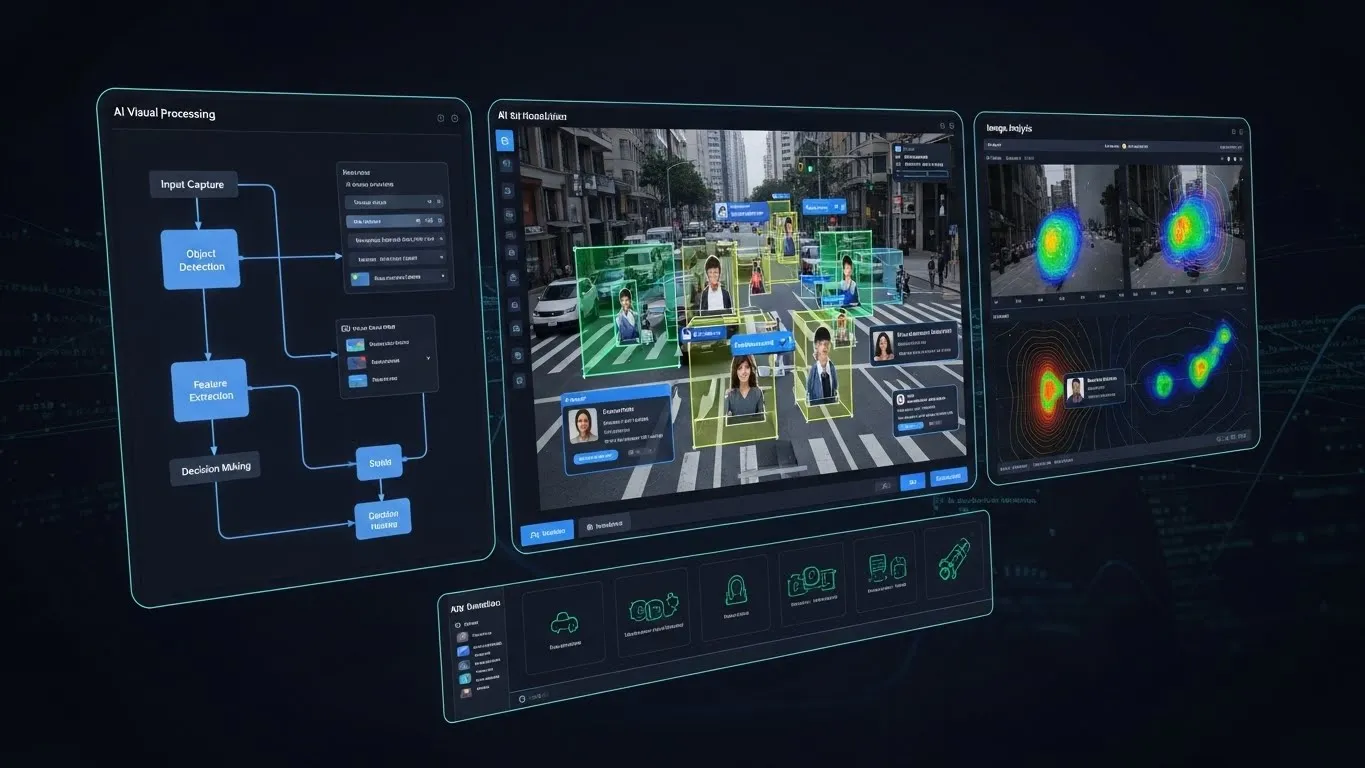
From Concept to Deployment: Practical Python Strategies for Building Robust AI Applications
The journey from an innovative AI concept to a fully operational, robust application in production can be complex. In today's fast-evolving technological landscape, Python remains the undeniable leader for AI development, offering a rich ecosystem of libraries and frameworks. This article provides a comprehensive guide to practical Python strategies for building robust AI applications, covering everything from initial design choices to sustainable post-deployment practices. We'll explore how to leverage Python's power to create AI systems that are not just functional but also scalable, reliable, and maintainable.
Key Points for Building Robust AI Applications with Python:
- Strategic Foundation: Choose appropriate Python frameworks and design principles for long-term scalability.
- MLOps Integration: Automate development, testing, and deployment workflows using Python tools.
- Robustness through Monitoring: Implement continuous monitoring and logging for performance and data drift.
- Scalable Deployment: Utilize containerization and cloud-native Python solutions for flexible scaling.
- Ethical AI by Design: Integrate ethical considerations and compliance checks throughout the lifecycle.
Laying the Foundation: Designing Your Robust AI Application with Python
Building a robust AI application begins long before a single line of code is written. It demands a thoughtful architectural design and a clear understanding of requirements. Python, with its versatility, allows for incredible flexibility, but strategic choices are paramount.
Defining Requirements and Use Cases
Every successful AI project starts with well-defined problems and expected outcomes. Clearly articulate the business value, performance metrics (e.g., latency, accuracy), and anticipated user load. This clarity guides subsequent technical decisions, ensuring your AI application is fit for purpose. Consider the data sources and data volume you'll be working with, as these directly impact your architectural choices and Python library selection.
Choosing the Right Python Stack for AI Development
The Python ecosystem offers a plethora of tools. For deep learning, libraries like TensorFlow and PyTorch are industry standards. For classical machine learning, scikit-learn remains a go-to. When it comes to serving these models, FastAPI has emerged as a powerhouse for building high-performance APIs due to its asynchronous capabilities and automatic data validation. Flask is another popular choice, particularly for simpler, rapid prototyping. For insights into choosing between them, you might find value in exploring the nuances of choosing the right web framework.
Developing and Training with Python for Scalable AI Solutions
The core of any AI application lies in its models and the data it processes. Python offers powerful tools for both.
Best Practices for Model Training and Version Control
Effective model training requires more than just code; it demands systematic experimentation and robust version control. Utilize tools like MLflow or DVC (Data Version Control) alongside Git to track model parameters, metrics, and associated datasets. This ensures reproducibility and facilitates debugging, which are critical for building robust AI applications. Without proper versioning, it's nearly impossible to revert to a stable model or understand why a new iteration performed differently.
Data Pipelines and Feature Engineering
Data is the lifeblood of AI. Python libraries like Pandas, Dask, and Apache Spark (via PySpark) are indispensable for building efficient data pipelines. These pipelines clean, transform, and prepare data for model consumption. Feature engineering, the process of creating new input features, often has a more significant impact on model performance than sophisticated algorithms alone. Automating these data pipelines with Python scripts and orchestrators like Apache Airflow ensures data freshness and consistency, which is vital for the reliability of your AI system.
Orchestrating Deployment: Practical Python Strategies for AI Production
Getting an AI model out of the notebook and into production is where many projects falter. This stage requires integrating the model into a larger software system, making it accessible and manageable.
Containerization and Orchestration (Docker, Kubernetes)
Containerization using Docker is a cornerstone of modern AI deployment. It packages your Python application, its dependencies, and the AI model into a single, portable unit. This eliminates "it works on my machine" issues. For managing multiple containers and ensuring high availability and scalability, Kubernetes is the industry standard. Python applications deployed within Kubernetes pods can leverage its self-healing, load balancing, and scaling capabilities to provide scalable AI solutions.
Building Robust API Endpoints
To make your AI model accessible to other applications or users, you'll need an API. Python frameworks like FastAPI or Flask allow you to create RESTful APIs that serve predictions. FastAPI, in particular, shines here due to its performance, built-in validation, and automatic interactive API documentation (Swagger UI). Designing these endpoints with resilience in mind, including error handling and request throttling, contributes significantly to the robustness of the overall AI application.
Automating with CI/CD for MLOps
Continuous Integration/Continuous Deployment (CI/CD) pipelines are essential for modern software development, and they are equally critical for AI. Integrating Python testing frameworks (like Pytest) and deployment scripts into CI/CD pipelines automates the process of building, testing, and deploying your AI application. This approach streamlines MLOps workflows, enabling faster iterations and reducing human error, which is paramount for practical Python strategies for building robust AI applications. To learn more about this, explore our comprehensive guide on MLOps best practices for scalable AI solutions.
Post-Deployment Excellence: Monitoring and Maintaining Robust AI Applications
Deployment is not the end; it's the beginning of the operational phase. Sustaining robustness requires continuous attention.
Implementing Comprehensive Model Monitoring
Once deployed, AI models need vigilant monitoring. Key aspects include performance monitoring (e.g., prediction latency, error rates), data drift detection (changes in input data distribution), and model drift detection (degradation of model performance over time). Python libraries such as Prometheus client, Grafana, and tools like evidently.ai can be integrated to build dashboards and alert systems. A 2024 report by Gartner on AI adoption highlighted that organizations with mature model monitoring practices experience a 30% reduction in AI model failures annually, underscoring its importance.
Strategies for Model Updates and Retraining
AI models are not static; they need periodic updates and retraining to adapt to new data patterns and evolving business requirements. Establish automated retraining pipelines triggered by performance degradation or scheduled intervals. Implement A/B testing or canary deployments to safely roll out new model versions, ensuring minimal disruption and maintaining the robustness of your live application.
Ensuring Ethical AI and Compliance in Production
A truly robust AI application is also an ethical one. Integrating mechanisms for explainable AI (XAI) using Python libraries like SHAP or LIME can help developers and stakeholders understand model decisions. Beyond technical explainability, consider privacy-preserving techniques and ensure your deployed systems adhere to relevant data protection regulations (e.g., GDPR, CCPA). Building fairness metrics into your monitoring can proactively identify and mitigate bias, a critical step often overlooked but gaining significant industry attention as noted by a recent study published in the IEEE Transactions on Neural Networks and Learning Systems (2023). This proactive approach to ethical AI from deployment onward sets a new standard for application reliability.
Future-Proofing Your AI Deployments with Python
Innovation doesn't stop, and neither should your AI strategy.
Leveraging Serverless and Cloud-Native Python Solutions
For ultimate scalability and cost-efficiency, consider serverless platforms (e.g., AWS Lambda, Google Cloud Functions, Azure Functions) for deploying your AI inference endpoints. These platforms scale automatically, and you only pay for compute time used. Python is extremely well-supported across all major cloud providers, making it straightforward to transition to cloud-native Python solutions. This approach allows developers to focus purely on the AI logic, offloading infrastructure management and enabling highly elastic scalable AI solutions.
Frequently Asked Questions (FAQ)
What Python frameworks are best for deploying AI models?
For deploying AI models as web services, FastAPI is highly recommended due to its speed, asynchronous capabilities, and automatic validation. Flask is another excellent choice for simpler APIs or when you prioritize a lighter learning curve. Both offer extensive flexibility for integrating your Python-based machine learning models into a production environment.
How do I ensure the scalability of my AI application?
To ensure scalability, adopt containerization with Docker for consistent environments and orchestrate these containers using Kubernetes for automated scaling and management. Utilize cloud-native serverless functions for elastic inference endpoints. Efficient data pipelines and optimized model inference code are also crucial for handling increased load effectively.
What is MLOps and why is it important for AI deployment?
MLOps (Machine Learning Operations) is a set of practices that combines machine learning, DevOps, and data engineering to streamline the entire lifecycle of an AI model, from experimentation to production. It's crucial for building robust AI applications because it automates deployment, monitoring, and retraining, ensuring reliability, reproducibility, and continuous improvement of AI systems in production.
How can I monitor my AI model for performance issues in production?
Implement comprehensive model monitoring by tracking key metrics like prediction latency, error rates, and data drift. Use Python libraries (e.g., Prometheus client) and visualization tools (e.g., Grafana) to create dashboards and alerts. Regularly analyze input data distribution shifts and model output patterns to detect performance degradation or bias early.
Conclusion and Next Steps
Embarking on the journey from concept to deployment for robust AI applications with Python can seem daunting, but by adopting these practical Python strategies, you can build systems that are not only powerful but also reliable, scalable, and maintainable. Focusing on MLOps principles, robust monitoring, and proactive ethical considerations will future-proof your AI investments.
We encourage you to experiment with the frameworks and tools discussed. Share your experiences in the comments below, or subscribe to our newsletter for more insights into the evolving world of AI and Python. To explore more on Machine Learning Model Deployment and deepen your understanding, feel free to browse our related articles. What challenges have you faced in deploying AI applications, and how have you overcome them with Python? We'd love to hear from you.
Extended Reading Suggestions for Future Updates:
- Advanced techniques for data drift detection and mitigation.
- Implementing explainable AI (XAI) in production with specific Python examples.
- Comparing different cloud MLOps platforms for Python-based AI workflows.