Implementing AI Integration Strategies: Seamlessly Connect Your Systems
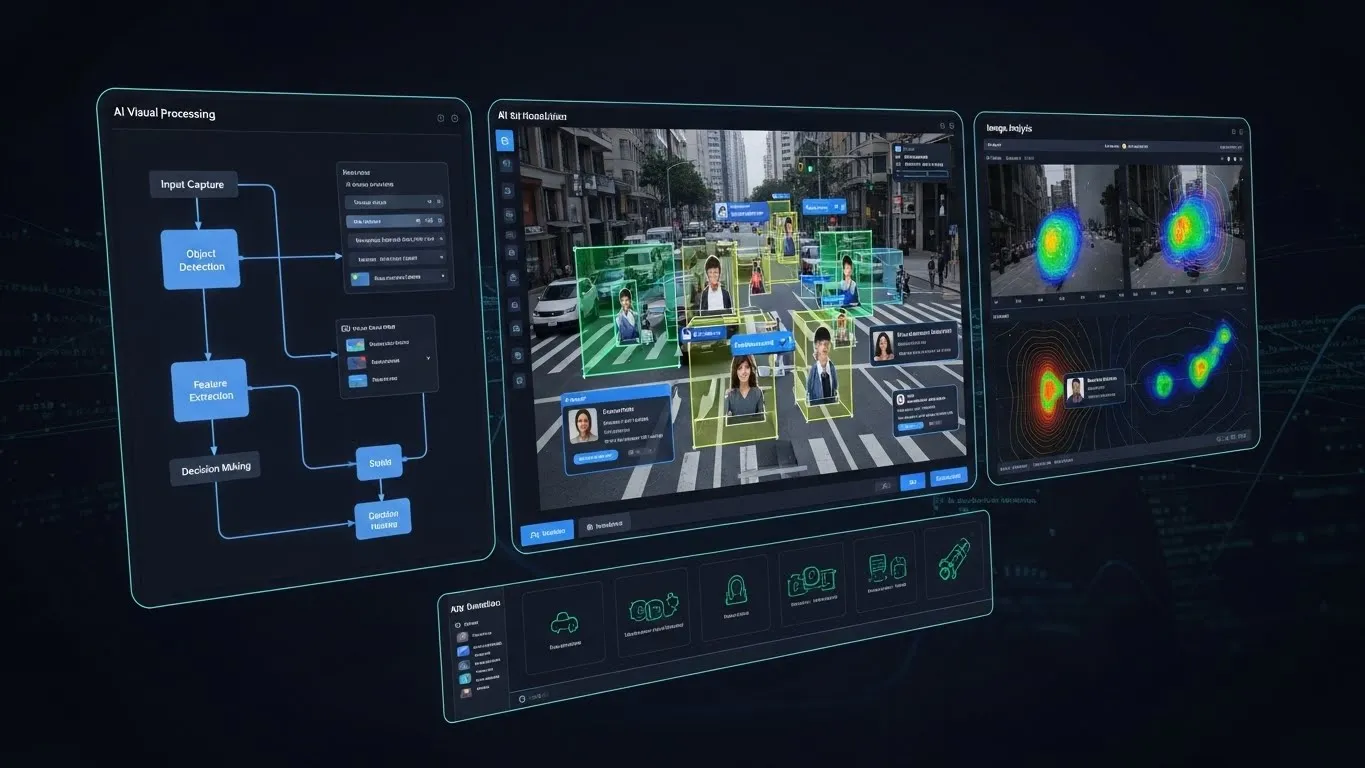
Implementing AI Integration Strategies: Seamlessly Connect Your Systems
In today's rapidly evolving business landscape, artificial intelligence (AI) is no longer a futuristic concept but a present-day necessity. To truly harness its power, businesses must move beyond isolated AI tools and focus on implementing AI integration strategies that seamlessly connect these intelligent capabilities with existing systems. This integration unlocks unprecedented levels of efficiency, innovation, and competitive advantage. By thoughtfully weaving AI into the fabric of your operations, you can automate complex tasks, derive deeper insights from your data, and create more intelligent, responsive customer experiences.
This article will guide you through the essential steps and considerations for successfully integrating AI into your business infrastructure.
Key Points:
- Strategic Planning is Crucial: Define clear objectives before integration.
- Data is the Foundation: Ensure clean, accessible, and relevant data.
- Choose the Right Tools: Select AI solutions that complement your existing tech stack.
- Prioritize Security and Ethics: Implement robust safeguards and ethical guidelines.
- Foster a Culture of Adoption: Train your team and encourage new ways of working.
Understanding the 'Why' Behind AI Integration
Before diving into the 'how,' it's vital to grasp the profound impact AI integration strategies can have on your organization. At its core, AI integration is about making your existing technological ecosystem smarter and more capable. This means enabling AI to interact with your databases, customer relationship management (CRM) systems, enterprise resource planning (ERP) software, and other critical platforms.
Consider the following benefits:
- Enhanced Operational Efficiency: Automate repetitive tasks, streamline workflows, and reduce human error. This can free up valuable employee time for more strategic initiatives.
- Deeper Data Insights: AI can analyze vast datasets, identifying patterns, trends, and anomalies that might be missed by human analysis. This leads to more informed decision-making.
- Improved Customer Experience: Personalize interactions, offer predictive support, and provide faster, more accurate responses. AI-powered chatbots and recommendation engines are prime examples.
- Accelerated Innovation: AI can assist in product development, market analysis, and even creative processes, speeding up the pace of innovation.
- Cost Reduction: By automating tasks and optimizing processes, AI integration can lead to significant cost savings over time.
Strategic Planning: The Bedrock of Successful AI Integration
The most common pitfall in AI integration is attempting to implement solutions without a clear vision. A well-defined strategy ensures that your AI initiatives align with your overall business goals.
1. Define Clear Objectives and Use Cases
What specific problems are you trying to solve? What opportunities are you trying to seize? Your objectives should be SMART: Specific, Measurable, Achievable, Relevant, and Time-bound.
- Example Objectives:
- Reduce customer service response times by 30% within six months.
- Increase sales lead qualification accuracy by 20% in the next quarter.
- Automate 50% of routine financial reporting tasks by year-end.
2. Assess Your Current Infrastructure and Data Readiness
Understand your existing systems, their capabilities, and limitations. Critically, evaluate your data. Is it clean, organized, accessible, and relevant to your AI objectives? Data quality is paramount for AI success.
- Data Assessment:
- Quality: Are there inconsistencies, duplicates, or missing values?
- Accessibility: Can AI systems easily access the data they need?
- Volume: Is there sufficient data to train AI models effectively?
- Relevance: Does the data directly support your intended AI use cases?
3. Identify Key Stakeholders and Build a Cross-Functional Team
AI integration isn't just an IT project. It requires input and buy-in from various departments, including operations, marketing, sales, finance, and legal. Form a dedicated team with diverse expertise to guide the process.
Choosing the Right AI Integration Approach and Tools
Once your strategy is in place, you'll need to select the appropriate technologies and methods for integrating AI.
1. API-Driven Integration
Application Programming Interfaces (APIs) are the connective tissue of modern software. Many AI services offer robust APIs, allowing your existing applications to communicate with AI models. This is often the most flexible and scalable approach.
- Benefits:
- Enables real-time data exchange.
- Allows for modular integration of AI capabilities.
- Minimizes disruption to existing systems.
2. Middleware and Integration Platforms
For more complex scenarios, integration platforms as a service (iPaaS) or enterprise service buses (ESBs) can orchestrate data flows between multiple systems, including AI services. These platforms provide a centralized hub for managing integrations.
- Use Cases:
- Connecting disparate legacy systems with cloud-based AI.
- Implementing complex business process automation.
3. Custom Development
In some cases, you might need to build custom integrations or even develop proprietary AI models. This offers maximum control but requires significant technical resources and expertise.
4. Selecting AI Tools and Vendors
The AI market is vast. Consider:
- Cloud AI Platforms: Services from AWS, Google Cloud, and Microsoft Azure offer a wide range of pre-trained models and development tools.
- Specialized AI Solutions: For specific tasks like natural language processing (NLP), computer vision, or predictive analytics, specialized vendors may offer more tailored solutions.
- Open-Source Libraries: Frameworks like TensorFlow and PyTorch provide powerful tools for building and deploying custom AI models.
Differentiated Value: According to a recent report by Gartner (published 2024), organizations that prioritize API-first integration strategies for their AI deployments see a 40% faster time-to-market for new AI-driven features compared to those relying on monolithic integration methods. This highlights the agility gained through API-centric approaches.
Implementing AI Integration: Key Steps and Best Practices
With your strategy and tools defined, it's time for execution.
1. Data Preparation and Governance
This cannot be stressed enough. Before any AI model can be integrated, your data must be prepared. This involves cleaning, transforming, and labeling data as needed. Establishing strong data governance policies is crucial for ongoing success, ensuring data privacy and compliance.
- Data Cleansing: Remove duplicates, correct errors, and handle missing values.
- Data Transformation: Standardize formats and structures for AI consumption.
- Data Labeling: For supervised learning, accurately labeling data is essential.
2. Pilot Projects and Phased Rollouts
Don't attempt to integrate AI across your entire organization at once. Start with small, manageable pilot projects. This allows you to test your integration strategy, identify unforeseen challenges, and refine your approach before a broader rollout.
- Benefits of Piloting:
- Minimizes risk and investment.
- Provides valuable lessons learned.
- Builds internal confidence and expertise.
3. Security and Ethical Considerations
Integrating AI introduces new security and ethical challenges.
- Data Security: Ensure sensitive data is protected throughout the integration process and during AI model operation.
- Bias Mitigation: AI models can inherit biases present in training data. Implement processes to detect and mitigate bias.
- Transparency and Explainability: Strive for AI systems that are understandable, especially in critical decision-making contexts.
- Regulatory Compliance: Stay abreast of evolving AI regulations and ensure your integrations comply.
A recent survey by PwC (published 2023) found that 68% of executives believe AI ethics are critical to building trust with customers and employees. This underscores the importance of proactive ethical planning.
4. Integration Testing and Validation
Thoroughly test your integrated AI solutions. This includes functional testing, performance testing, and user acceptance testing. Validate that the AI is performing as expected and delivering the intended business outcomes.
5. Monitoring and Continuous Improvement
AI models and their integrations are not static. Continuously monitor their performance, accuracy, and impact. Be prepared to retrain models, update integrations, and adapt your strategy as your business needs evolve and new AI capabilities emerge.
Fostering AI Adoption and Building Internal Expertise
Technology is only part of the equation. Successful AI integration requires a shift in organizational culture and skillsets.
1. Training and Upskilling Your Workforce
Invest in training programs to equip your employees with the skills needed to work alongside AI. This can range from basic AI literacy to advanced data science skills. Empowering your team ensures they can leverage AI tools effectively.
2. Change Management and Communication
Clearly communicate the benefits of AI integration to your employees. Address concerns and foster a collaborative environment where AI is seen as an enabler, not a replacement. Effective change management is key to overcoming resistance.
3. Encouraging Experimentation and Innovation
Create a culture that encourages employees to explore new ways of using AI to solve problems and drive innovation within their roles. This can lead to unexpected and highly valuable applications of AI.
Future-Proofing Your AI Integration Strategy
The field of AI is advancing at an incredible pace. Your integration strategy should be flexible and adaptable.
- Stay Abreast of Trends: Keep an eye on emerging AI technologies, research, and industry best practices.
- Modular Architecture: Design your systems with modularity in mind, making it easier to swap out or upgrade AI components.
- Scalability: Ensure your infrastructure can scale to accommodate future AI demands.
For example, advancements in explainable AI (XAI) are increasingly important for regulatory compliance and user trust, a trend to watch for future integration considerations.
Frequently Asked Questions About AI Integration
Q1: What are the biggest challenges when implementing AI integration strategies? A1: The primary challenges often include ensuring data quality and accessibility, selecting the right AI tools that fit existing infrastructure, managing the complexity of integrations, and overcoming organizational resistance to change. Addressing these upfront is crucial for success.
Q2: How can small businesses effectively implement AI integration? A2: Small businesses can start by leveraging cloud-based AI services with user-friendly APIs. Focus on specific, high-impact use cases like customer service chatbots or sales automation. Phased adoption and utilizing readily available AI-as-a-service platforms can make integration more manageable and cost-effective.
Q3: How long does it typically take to see results from AI integration? A3: The timeline varies significantly based on the complexity of the integration and the defined objectives. Simple API integrations for specific tasks might show results within weeks or months, while large-scale system overhauls could take a year or more. Pilot projects often yield early wins.
Q4: What role does cybersecurity play in AI integration? A4: Cybersecurity is paramount. Integrating AI can create new attack vectors. It's essential to secure data pipelines, protect AI models from manipulation or theft, ensure the integrity of AI-generated outputs, and comply with data privacy regulations throughout the integration lifecycle.
Conclusion: Embrace Intelligent Connectivity
Implementing AI integration strategies is not merely a technological upgrade; it's a fundamental shift towards a more intelligent, efficient, and responsive business. By approaching AI integration with a clear strategy, a focus on data, careful tool selection, and a commitment to your people, you can unlock the full potential of AI to transform your operations.
The journey of AI integration is ongoing. Continuously learning, adapting, and optimizing will be key to staying ahead.
Ready to take the next step? Explore how our AI-powered business automation solutions can help you seamlessly connect your systems. Share your own AI integration experiences in the comments below, and subscribe to our newsletter for more insights into the future of AI in business.
For further reading, consider exploring articles on data governance best practices and leveraging AI for customer experience enhancement.