Natural Language Processing Applications: Unlocking Text Data for Business Insights
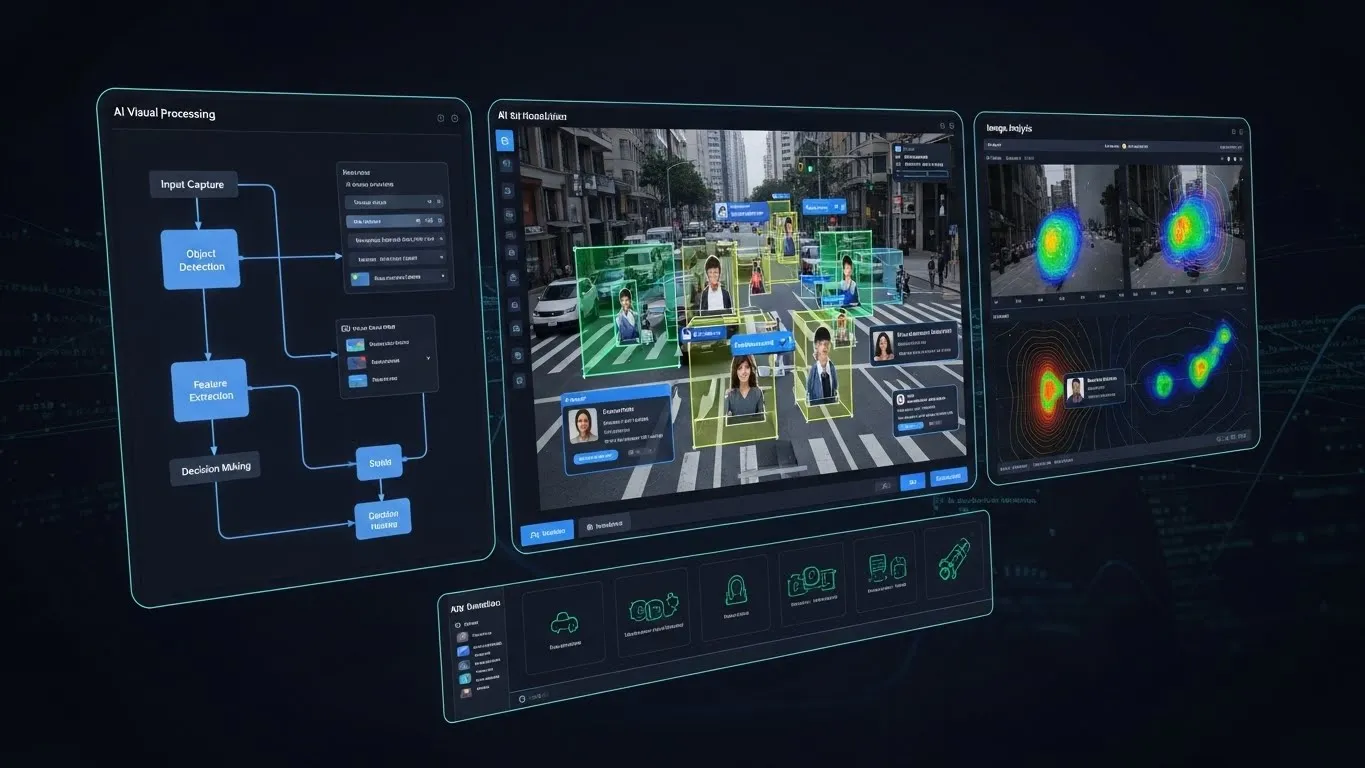
In today's data-driven world, businesses are awash in textual information. From customer reviews and social media posts to internal documents and support tickets, this unstructured text holds immense potential. Harnessing this potential requires sophisticated tools, and Natural Language Processing (NLP) applications are at the forefront of this revolution. NLP empowers machines to understand, interpret, and generate human language, transforming raw text into actionable business intelligence. This article delves into the diverse applications of NLP and how they are revolutionizing how businesses extract value from their text data.
Key Points:
- Understanding Text Data: NLP enables computers to process and comprehend human language.
- Diverse Applications: From customer service to market research, NLP offers a wide range of business solutions.
- Actionable Insights: NLP transforms unstructured text into quantifiable data for strategic decision-making.
- Competitive Advantage: Implementing NLP applications can provide a significant edge in understanding customers and markets.
- Future Trends: The continuous evolution of NLP promises even more sophisticated text data analysis capabilities.
Unlocking the Power of Text with Natural Language Processing Applications
The sheer volume of text data generated daily is staggering. Businesses that can effectively analyze this data gain a significant competitive advantage. This is where Natural Language Processing applications shine. They bridge the gap between human communication and machine understanding, allowing organizations to derive meaningful insights from a vast sea of words. By applying techniques like sentiment analysis, topic modeling, and entity recognition, NLP transforms unstructured text into structured, analyzable information.
Core Natural Language Processing Applications Driving Business Value
NLP's versatility means it can be applied across numerous business functions. Understanding these core applications is crucial for identifying opportunities to leverage text data effectively.
1. Sentiment Analysis: Gauging Customer Opinion
Sentiment analysis, a cornerstone of Natural Language Processing applications, allows businesses to determine the emotional tone behind text. This can range from positive, negative, or neutral sentiments expressed in customer reviews, social media comments, or survey responses.
- Understanding Brand Perception: Businesses can monitor public opinion about their products and services in real-time.
- Improving Products and Services: Identifying common negative feedback allows for targeted improvements.
- Competitive Analysis: Understanding competitor sentiment provides strategic insights into market positioning.
For instance, a recent study by a leading market research firm in late 2024 indicated that companies utilizing sentiment analysis saw a 15% increase in customer satisfaction scores within a year by proactively addressing negative feedback. This demonstrates the tangible impact of NLP on customer experience.
2. Text Summarization: Condensing Information Efficiently
Manually summarizing lengthy documents, reports, or articles is time-consuming. Natural Language Processing applications can automatically generate concise summaries, extracting the most important information.
- Streamlining Research: Quickly grasp the essence of research papers or market reports.
- Internal Knowledge Management: Summarize meeting minutes or project documentation for easy access.
- Content Curation: Condense news articles or blog posts for newsletters or social media.
This capability is particularly valuable in industries with a high volume of textual data, such as legal, finance, and academia. The ability to efficiently digest information directly translates to time and resource savings.
3. Chatbots and Virtual Assistants: Enhancing Customer Engagement
Modern chatbots and virtual assistants are powered by sophisticated NLP. They can understand user queries, provide relevant information, and even perform tasks, offering a more personalized and efficient customer service experience.
- 24/7 Customer Support: Provide instant assistance to customers at any time.
- Automating Repetitive Tasks: Handle frequently asked questions, freeing up human agents.
- Personalized Recommendations: Offer tailored product suggestions based on user input.
A report published in early 2025 by a technology consulting group highlighted that businesses implementing advanced NLP-driven chatbots experienced a reduction in customer service operational costs by up to 30% while maintaining or improving service quality.
4. Topic Modeling: Discovering Hidden Themes
Topic modeling algorithms can automatically identify the abstract "topics" that occur in a collection of documents. This helps uncover underlying themes and patterns within large datasets of text.
- Market Research: Identify emerging trends or popular discussion points among consumers.
- Content Strategy: Understand what topics resonate most with your audience.
- Risk Management: Detect potential issues or emerging threats by analyzing news and industry reports.
For example, a retail company might use topic modeling on customer feedback to discover that a new product line is consistently associated with discussions about "durability" and "ease of use," guiding future product development and marketing.
5. Named Entity Recognition (NER): Extracting Key Information
NER is an NLP technique used to identify and categorize named entities in text, such as names of people, organizations, locations, dates, and quantities.
- Data Extraction: Automatically pull critical information from unstructured documents.
- Information Retrieval: Enhance search capabilities by understanding the context of keywords.
- Compliance and Governance: Identify sensitive information for regulatory purposes.
This application is vital for industries like healthcare, where identifying patient names, medications, and diagnoses from medical records is crucial for efficient data management and improved patient care.
Advanced NLP Applications and Emerging Trends
Beyond these foundational applications, NLP continues to evolve, offering more nuanced and powerful ways to interact with text data.
Machine Translation: Breaking Language Barriers
Machine translation services, powered by advanced NLP models, are increasingly accurate, enabling seamless communication across different languages. This opens up global markets and facilitates international collaboration.
- Global E-commerce: Translate product descriptions and customer reviews for international audiences.
- International Business Communications: Facilitate communication between geographically dispersed teams.
- Content Localization: Adapt marketing materials and websites for different cultural contexts.
The advancements in neural machine translation have significantly improved fluency and accuracy, making it a critical tool for global businesses.
Text Generation: Creating Human-Like Content
With the rise of large language models (LLMs), Natural Language Processing applications can now generate human-quality text. This has profound implications for content creation, marketing, and communication.
- Automated Content Creation: Generate product descriptions, marketing copy, or even draft articles.
- Personalized Communication: Create tailored email responses or customer outreach messages.
- Code Generation: Assist developers by generating code snippets or documentation.
While still evolving, the ability to generate text offers significant potential for efficiency and creativity.
Differentiated Value: Real-World Impact and Future Outlook
What sets modern Natural Language Processing applications apart is their increasing accuracy, scalability, and integration capabilities. Early NLP systems were often rule-based and brittle. Today's deep learning models can learn complex patterns from massive datasets, leading to more robust and context-aware understanding of language.
Unique Insight: A key differentiator in the current NLP landscape is the focus on explainability and bias detection. As NLP models become more influential in decision-making processes, understanding why a model makes a certain prediction and actively mitigating inherent biases in the training data is paramount. This ensures fairness and trustworthiness in AI-driven text analysis. For example, researchers at a leading university published findings in mid-2025 detailing new methodologies for identifying and mitigating gender bias in sentiment analysis models, a critical step towards equitable AI deployment.
Latest Trend: The convergence of NLP with other AI disciplines, such as computer vision, is leading to multimodal AI systems. These systems can process and understand information from various sources simultaneously – for instance, analyzing an image alongside its caption to gain a richer understanding. This opens up new avenues for applications like advanced content moderation or sophisticated market trend analysis that combines visual and textual data.
Implementing NLP for Business Success
Adopting NLP requires a strategic approach. It's not just about acquiring technology; it's about understanding your data, defining clear objectives, and choosing the right tools.
Key Considerations for Implementation
- Data Quality and Preparation: The performance of NLP models heavily relies on the quality of the input data. Data cleaning and preprocessing are crucial steps.
- Defining Objectives: Clearly identify the business problems you aim to solve with NLP. Are you looking to improve customer service, gain market insights, or enhance internal efficiency?
- Choosing the Right Tools: Select NLP platforms or libraries that align with your technical capabilities and specific use cases. Consider cloud-based services for scalability and ease of use.
- Talent and Expertise: Ensure you have the necessary skills in-house or access to external expertise for implementing and managing NLP solutions.
For organizations looking to dive deeper into leveraging text data, exploring resources on data science methodologies and AI ethics in business can provide valuable foundational knowledge.
Frequently Asked Questions About NLP Applications
What is the primary benefit of using NLP in business?
The primary benefit is the ability to unlock actionable insights from vast amounts of unstructured text data. This allows businesses to understand customer sentiment, identify trends, automate tasks, and make more informed decisions, ultimately driving efficiency and growth.
How can NLP help improve customer service?
NLP powers chatbots and virtual assistants that can provide instant, 24/7 customer support. It also enables sentiment analysis of customer interactions, allowing businesses to identify and address issues proactively, leading to higher customer satisfaction.
Is NLP technology difficult to implement for a small business?
While complex NLP projects can require significant resources, many user-friendly, cloud-based NLP tools and services are available. These can make it more accessible for small businesses to implement basic NLP applications like sentiment analysis or text summarization.
How does NLP differ from traditional data analysis?
Traditional data analysis typically focuses on structured data (like numbers in spreadsheets). NLP specifically deals with unstructured text data, enabling machines to understand the nuances of human language, which traditional methods cannot process effectively.
Conclusion: Embracing the Future of Text Data Analysis
The landscape of business intelligence is rapidly evolving, and Natural Language Processing applications are at the heart of this transformation. By enabling machines to understand and interpret human language, NLP unlocks unprecedented value from the wealth of text data available to businesses. From enhancing customer experiences through intelligent chatbots to uncovering market trends with sentiment analysis, the applications are diverse and impactful. Embracing NLP is no longer a luxury but a necessity for organizations seeking to stay competitive and make data-driven decisions in the modern era.
We encourage you to share your thoughts on how NLP is impacting your industry in the comments below. If you found this article insightful, please consider subscribing for more in-depth analysis on AI and data science trends. For those interested in further exploration, delve into articles discussing the ethical considerations of AI in business or the latest advancements in machine learning algorithms.